The Spectroscopy and AI Lab (SAIL), led by Joonyoung F. Joung, integrates artificial intelligence with chemistry to study chemical reaction prediction and the discovery of new materials.
Prediction of Physicochemical Properties
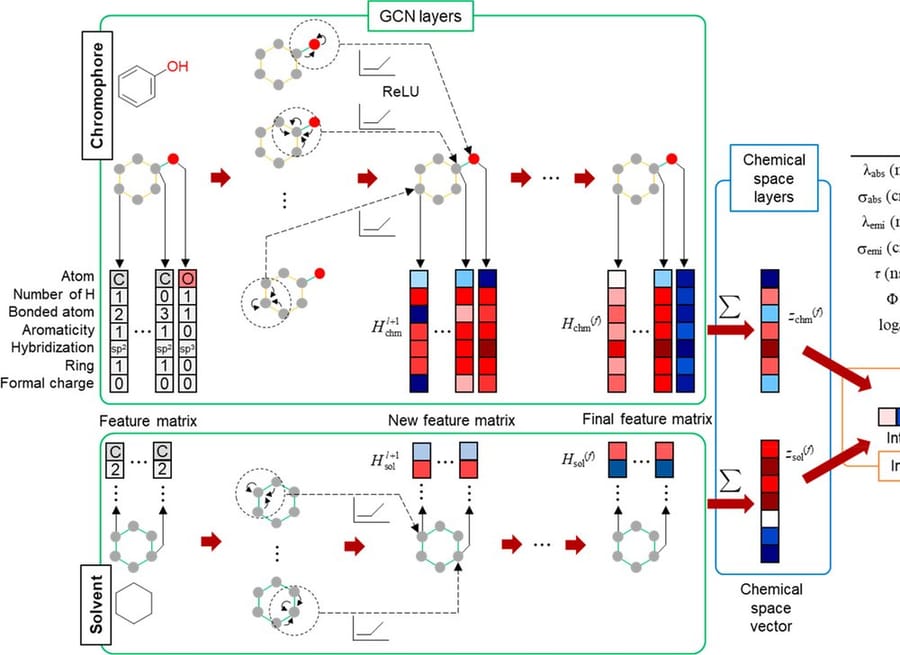
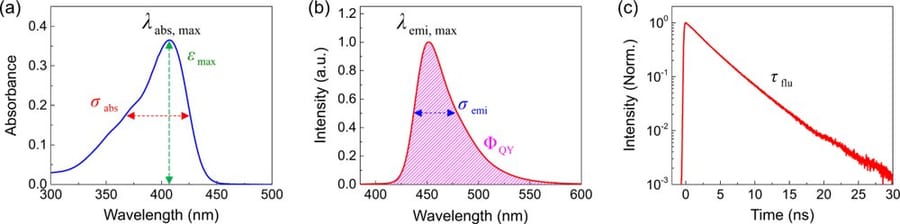
We leverage machine learning models and quantum chemical calculations (e.g., DFT) to predict critical physicochemical properties of molecules, such as optical properties, energy levels, and solubility. These predictions not only aid in discovering desired materials or pharmaceuticals but also support the optimization of separation processes by providing insights into solubility behavior.
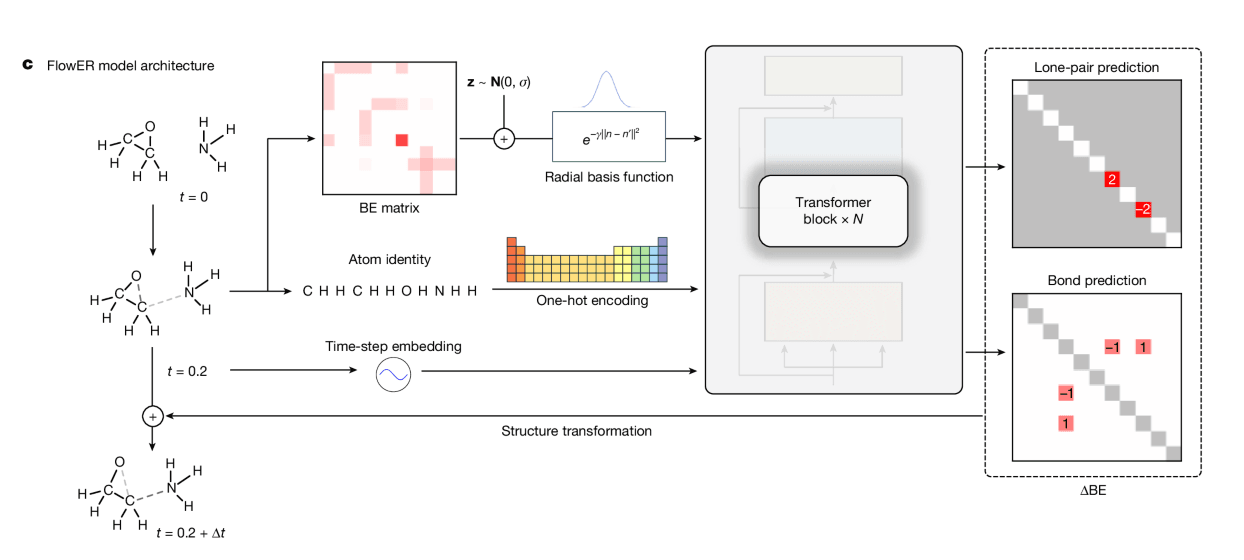
Chemical reaction prediction has traditionally relied on expert knowledge and reaction rules, making it difficult to anticipate unexpected byproducts or impurities. We develop models that predict products either in an end-to-end manner or by learning mechanistic pathways. This helps to explain impurity formation and ultimately discover novel reactions.
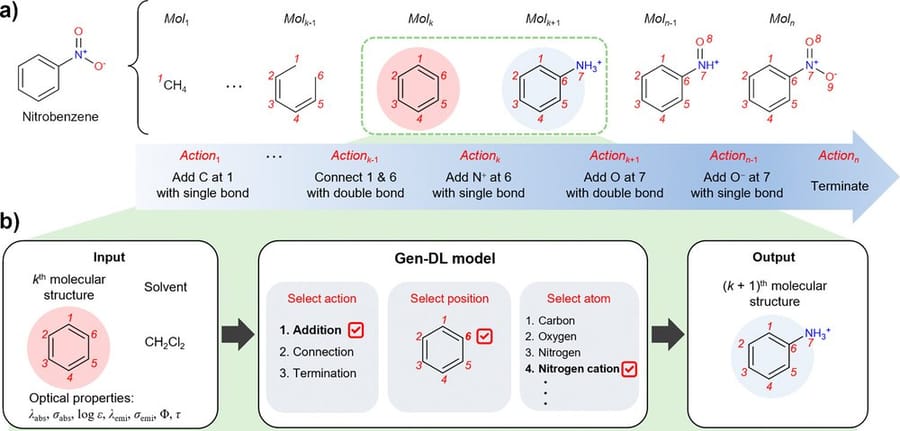
Traditional approaches to molecular design rely heavily on trial-and-error experimentation, even when the desired properties are known. At SAIL, we develop machine learning-based de novo design techniques that generate candidate molecules expected to exhibit target properties. This accelerates material discovery while reducing cost and effort. In addition to generative modeling, we leverage quantum chemical methods such as DFT to understand how molecular structure determines properties. This allows us to extract design principles grounded in theory and propose new molecular structures with improved performance.
Reliable AI models require high-quality data. We build structured databases by extracting information from experiments and literature, and use these data for training and benchmarking models.